
What OpenAI confirmed about dots
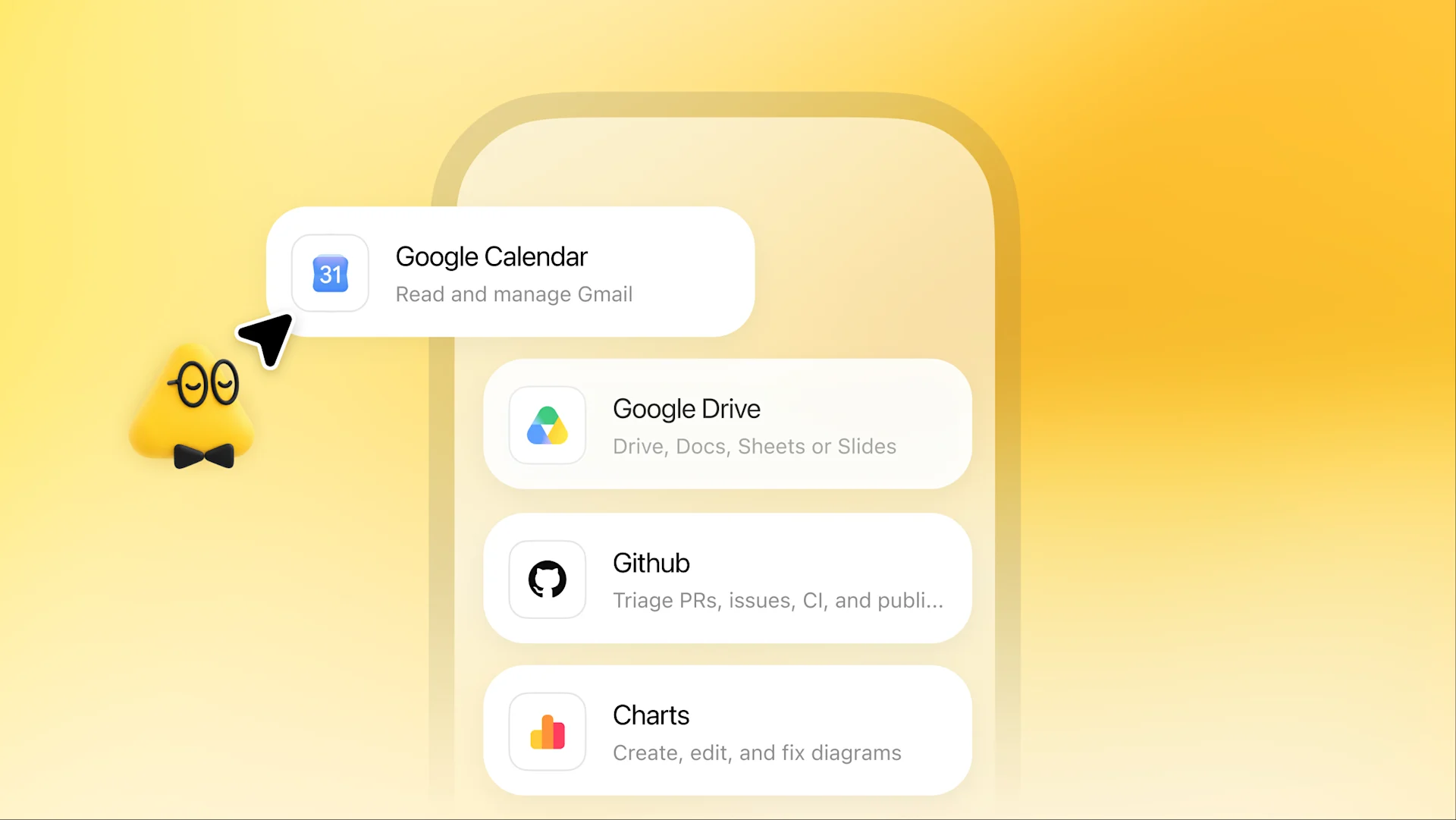
OpenAI describes dots as always-on agents in ChatGPT that can own ongoing responsibilities and keep making progress between conversations. They run on GPT-6 Astra, have their own cloud computers, can use the apps a person chooses to connect, and bring work back for review when a decision needs human judgment.
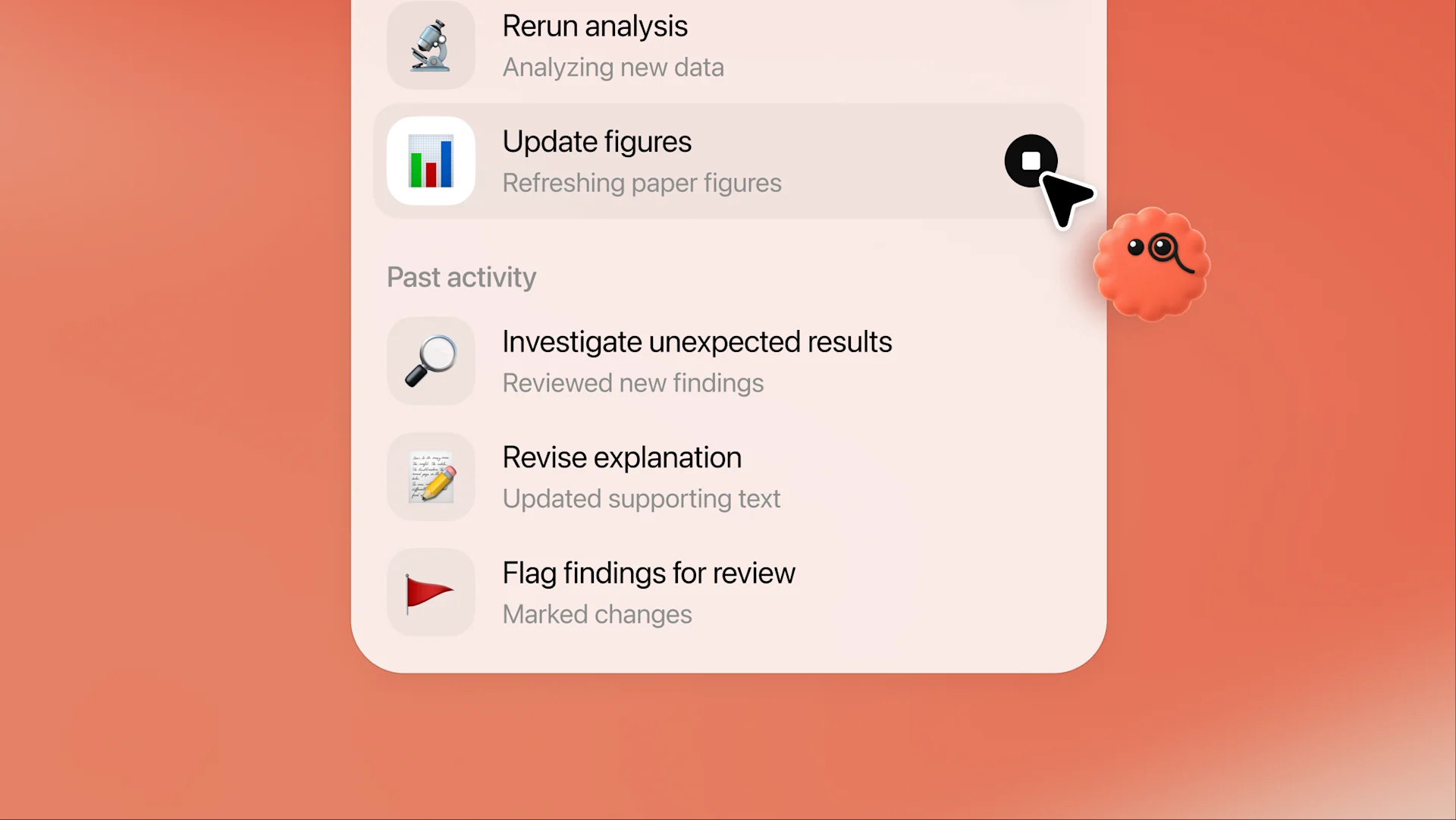
The product goes beyond a longer chat session. OpenAI says a dot can inherit context from ChatGPT memory, use Codex and connected tools, maintain scheduled work, and surface proactive updates. People can inspect in-progress, scheduled and completed activity, change direction, pause the agent, or interact with its computer.
Control is part of the official design. Custom Rules can allow an action, require pre-approval, ask before acting or hand the step back to the user. OpenAI also says potentially consequential actions go through automatic review, while warning that dots can still make mistakes and that important work should be checked.
- Available through ChatGPT on web, mobile and desktop, with creation currently starting on desktop web or the desktop app.
- Gradually rolling out to Pro users outside the EEA, Switzerland and the UK; Business Premium is available in supported ChatGPT regions; Enterprise beta requires admin enablement.
- Slack is supported as a messaging channel; the launch page also shows Microsoft Teams, while texting has separate limited-beta conditions.
- Local-computer access is optional and starts turned off; dots otherwise use their own cloud computer.
Our interpretation: the unit of AI is becoming a responsibility
The confirmed facts stop at what OpenAI has announced. Aivah’s interpretation is that products like dots may change what people expect from AI at work: from a system that answers one request to an agent that owns a defined responsibility, keeps context and returns reviewable progress.
That does not mean every process should become autonomous. Reliability, cost, access, security and the quality of the surrounding workflow will determine whether the model works in practice. The useful business question is narrower: which responsibility can your team define clearly enough to delegate, supervise and evaluate?
A broad objective such as ‘automate customer experience’ is difficult to test. A bounded responsibility—help new customers prepare for one onboarding milestone, for example—creates a clearer place to start.
Write the job before choosing the tools
Imagine a customer asking what to prepare before an onboarding call. A useful pilot would name the approved onboarding guide, the details the AI should request, the action it may take, and the issues that belong with a customer success manager.
The team can then test representative questions. Include straightforward requests, missing context, conflicting information and questions outside the intended scope. Write down what a good response or handoff should contain before evaluating the technology.
This turns an impressive demonstration into a repeatable operating test. It also makes platform comparisons more useful because every candidate is being asked to perform the same job.
Give business knowledge an owner
An ongoing agent needs maintained information. Someone should own the product details, instructions, policies and examples it relies on, including when those sources were last checked.
Consider a pricing change. If one document contains the new terms while another still describes an old offer, adding both documents does not resolve the contradiction. The business needs a rule for which source governs and a person responsible for keeping it current.
Record the sources used by the pilot and who maintains them. When something goes wrong, the team can then distinguish a source problem from an instruction, permission or execution problem.
Design approval and human handoff together
OpenAI’s launch places controls and approval choices close to the agent. Businesses should apply the same discipline to the workflow itself: decide which actions may happen automatically, which need explicit approval and which must stay with a person.
Then define what information should accompany a handoff. For an unusual support issue, useful context might include the customer’s goal, the sources consulted, steps already attempted and the unresolved decision. A handoff should reduce repeated work rather than simply move the conversation.
Review difficult cases early. They reveal where instructions are vague, sources conflict or an action boundary needs to change.
- Low-risk, reversible action: define whether the agent may proceed and how it records the result.
- External or consequential action: specify the approval point and the evidence the reviewer receives.
- Uncertain or out-of-scope request: prepare a concise, contextual handoff to the right person.
- Sensitive access: keep permissions limited to what the responsibility actually requires.
Measure the work that matters
Choose measures that match the responsibility. For onboarding, inspect whether guidance matches the approved documentation and whether the customer reaches the intended milestone. For support, examine unresolved questions, repeat contacts and the quality of handoffs.
Track the human effort needed to correct and maintain the workflow as well. A polished agent can still be expensive to supervise. Your pilot should establish whether the useful work justifies that effort before the responsibility expands.
Start with a small evidence set: completion quality, factual accuracy, exceptions, approval frequency and handoff usefulness. Review the conversations behind the numbers so the team understands why the result changed.
Where Aivah fits
Aivah builds AI employees for customer-facing work across sales, support, onboarding and product education. A team can define a role, prepare approved business knowledge, choose the model, voice and character, connect permitted tools, and review the conversations around that work.
The dots launch and Aivah address related shifts in how people delegate work, but they are separate products. Aivah has no announced OpenAI dots integration or partnership. Our practical recommendation is to start with one customer journey, define the job and evidence, then test the experience with real questions before expanding.
The launch is a timely invitation to make those decisions. The first useful question is simple: what responsibility can your team define clearly enough to delegate and evaluate?
Read related guides
OpenAI dots and business AI FAQ
These answers separate OpenAI’s published product information from Aivah’s independent business analysis as checked on 29 September 2026.
What are OpenAI dots?
OpenAI describes dots as always-on agents in ChatGPT powered by GPT-6 Astra. A dot has its own cloud computer, can use selected connected apps, retain context, perform ongoing work between conversations and bring results or decisions back for review.
Which ChatGPT plans currently include dots?
OpenAI says dots are gradually rolling out to Pro users in markets excluding the European Economic Area, Switzerland and the UK; Business Premium users across supported ChatGPT regions; and Enterprise users through a beta that must be enabled by a workspace administrator. Availability may take several days to reach an eligible account.
Is Aivah integrated with OpenAI dots?
No integration or partnership has been announced. This article is Aivah’s independent analysis of the launch and its implications for designing useful, governed business AI work.
How should a business start an AI-agent pilot?
Choose one bounded responsibility, identify its approved sources and owner, define action and approval boundaries, prepare a human handoff, and measure accuracy, completion quality, exceptions and maintenance effort before expanding.